Intelity • Hospitality SaaS • 2025

Redesigning how hotels manage guest experiences at scale

Lead Product Designer (sole designer) · Research to developer handoff

Intelity GEMS 2.0 Messaging module

Summary

GEMS 2.0 is Intelity's operations platform used by hotels worldwide. I joined through Tangerine as the sole product designer and redesigned eight core modules, from the Nexus AI agent builder to messaging, reservations, and workflows, plus the design system underneath them. Timeline: Feb 2025 onward.

34%

Daily active usage after rollout

46h

Weekly FTE hours recovered via automation

8

Modules shipped on one design system

Solution

Here are some of the key flows

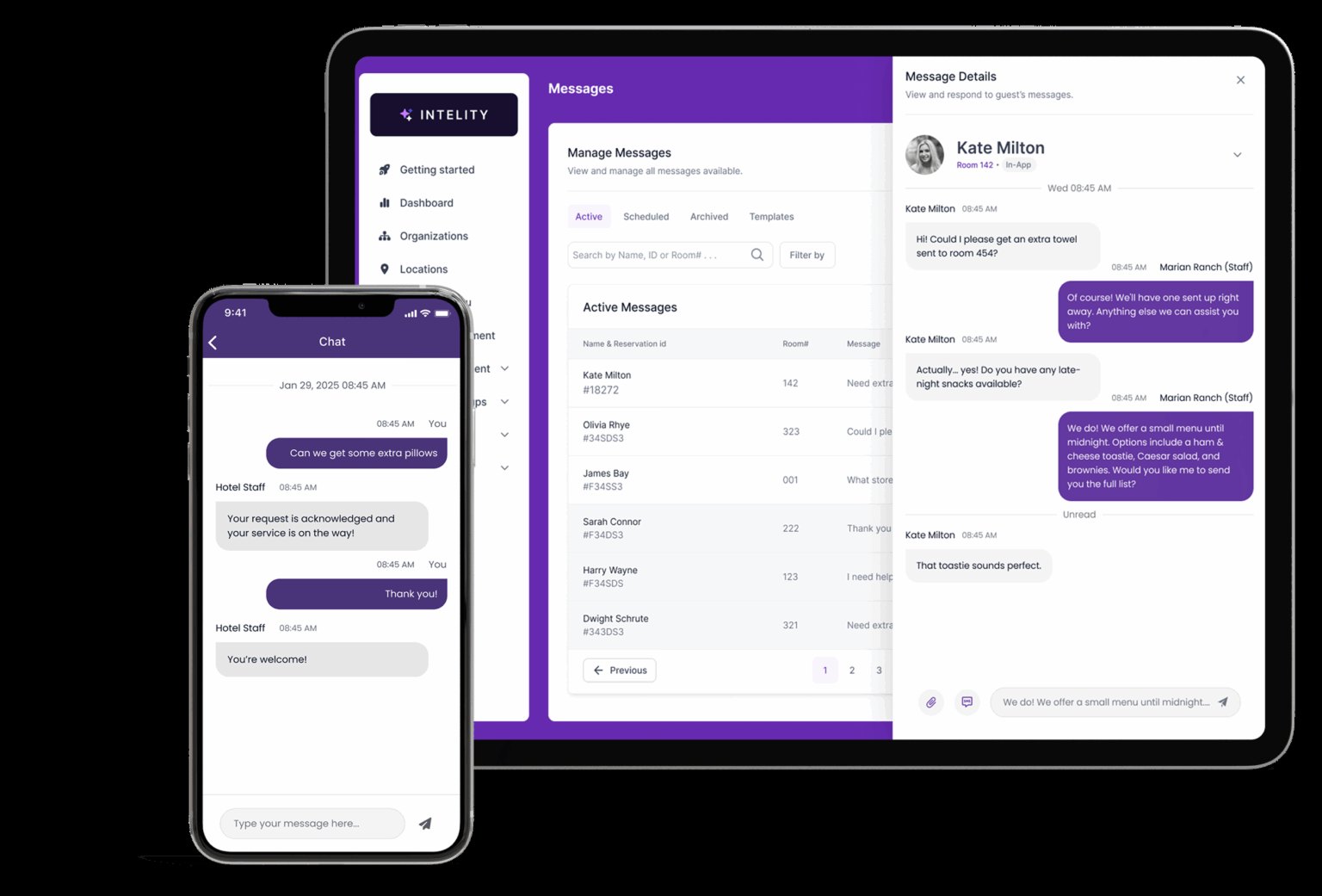
One inbox for guests and staff

The messaging hub unifies guest and staff communication: multi-channel threading, read receipts, templates, and department routing, so nothing falls back to WhatsApp.

Messaging module

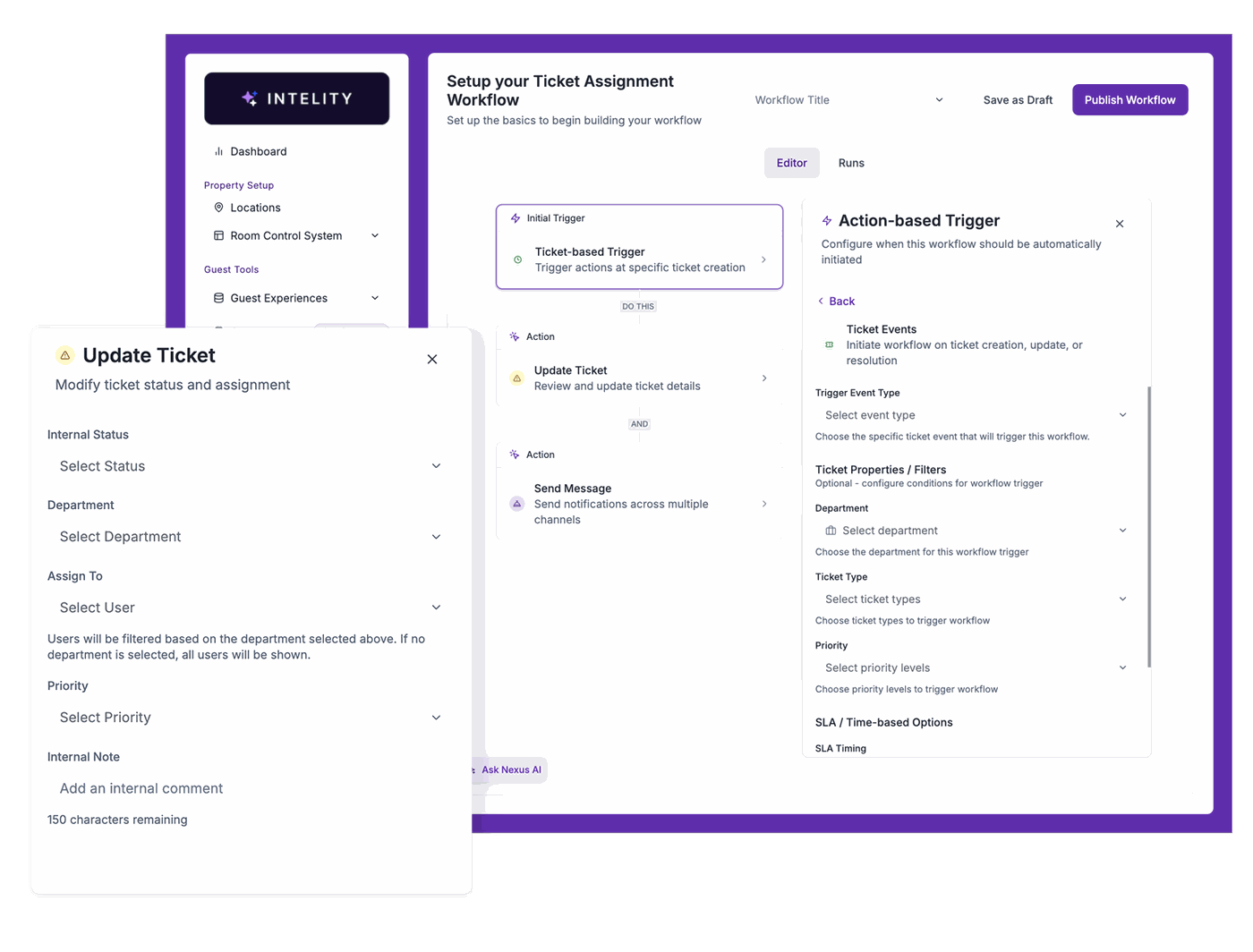
Automation that reads like an SOP

Nexus AI presents trigger, condition, and action logic as a structured rule table that matches how managers already write procedures, with a card view on top for review. On the guest side, the same engine powers an AI concierge inside each hotel's own brand.

Workflows module
Nexus AI concierge on mobile, in hotel branding

Content that hotels manage themselves

The CMS lets each property edit its own pages with live preview, so a hotel's digital presence stays on-brand without a designer in the loop.

GEMS CMS editing a hotel website, shown in a hotel lobby

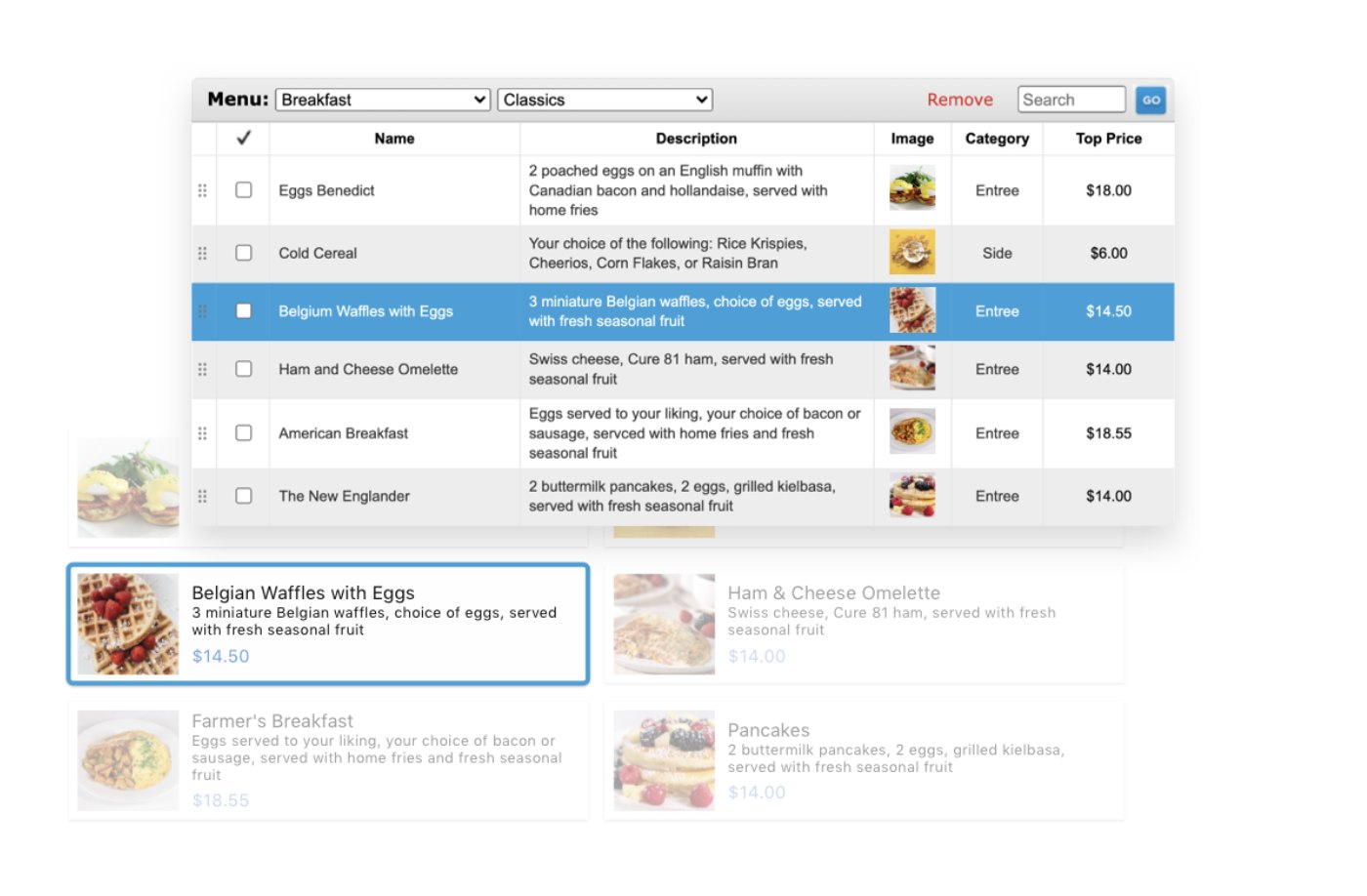
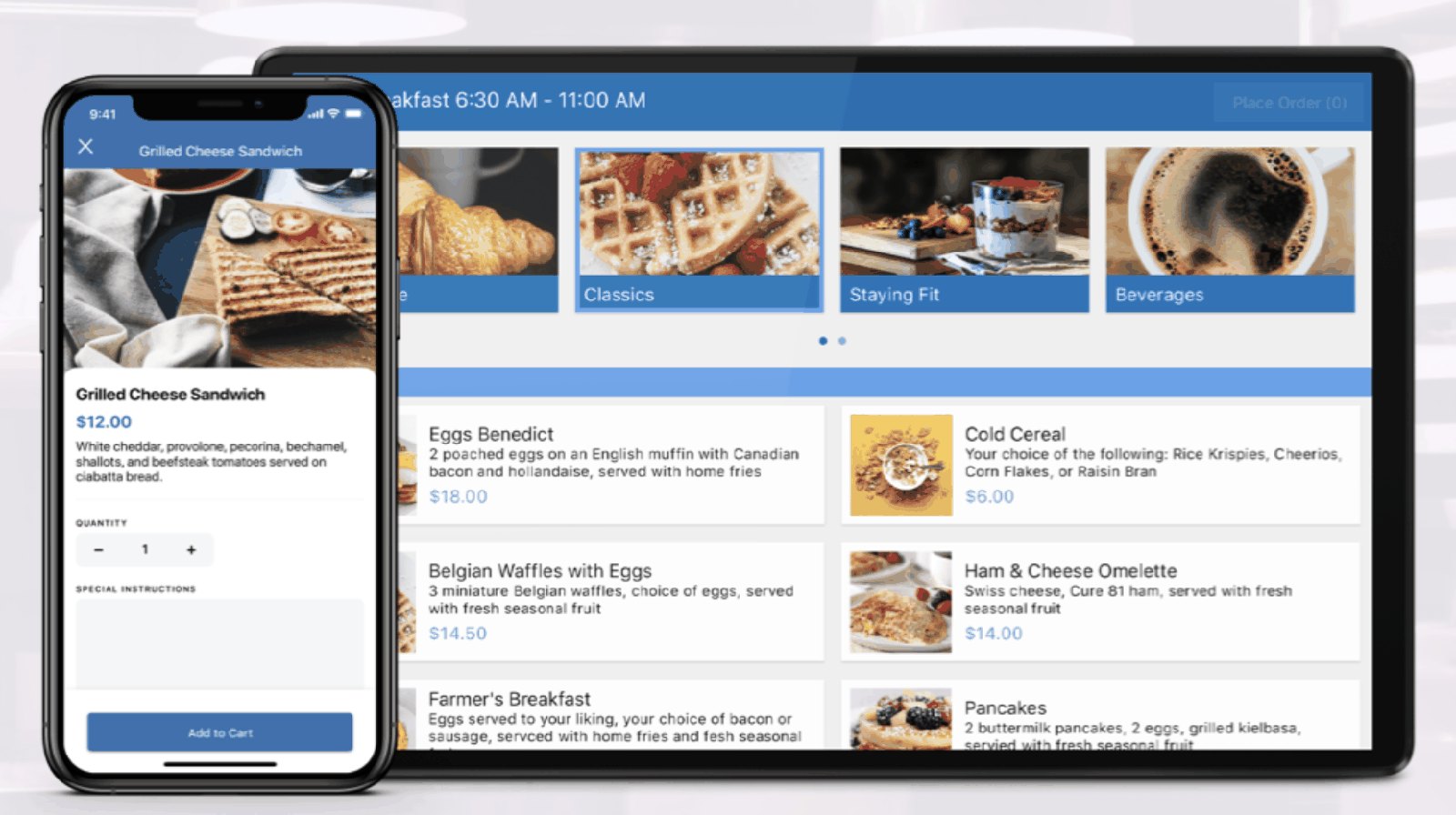
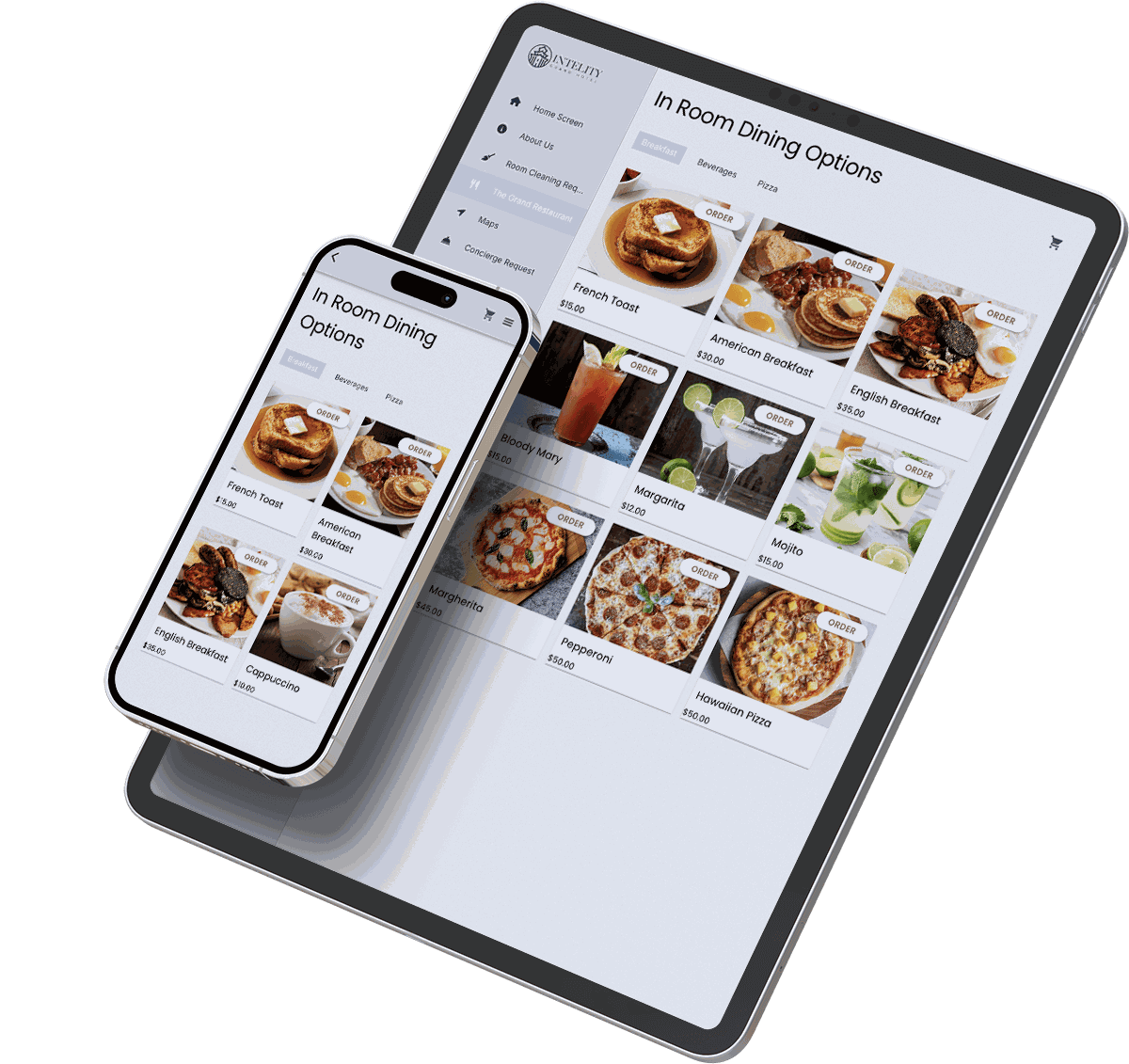
Glanceable in-room experiences

Smart-room tablets and dining flows were rebuilt around status at a glance and fewer taps to act, for both guests and the staff fulfilling requests.

Smart-room tablets
Digital key and door unlock

Overview

A hospitality platform that needed to think at scale.

Intelity builds GEMS 2.0, a large-scale operations platform used by hotels worldwide. Staff across departments use it daily to handle reservations, messaging, workflows, content, and guest requests. The product had accumulated complexity over time, and the design needed a complete rethink to handle that complexity gracefully.

I joined through Tangerine Creative Agency as the lead product designer, responsible for multiple core modules from research and wireframes through to high-fidelity UI and developer handoff.

Problem

Staff were working around the software, not with it.

Hotel operations don't pause. Staff across housekeeping, front desk, F&B, and concierge need to act fast, often under direct guest pressure. The existing GEMS interface mixed too many concepts per screen, lacked visual hierarchy, and had no coherent component logic.

The result: staff were defaulting to workarounds. WhatsApp instead of the messaging module. Paper checklists instead of workflow automation. That's not a feature gap. It's a trust problem.

The brief wasn't to add more features. It was to make what existed feel reliable enough that people would actually use it.

Initial findings

I audited all eight modules before touching a single screen.

My first step was a full audit of the existing platform. I walked every flow the way a front-desk agent or housekeeping manager would, under time pressure, and logged what broke down: concepts that changed names between modules, actions buried behind inconsistent menus, tables that ordered information by database logic instead of operational urgency.

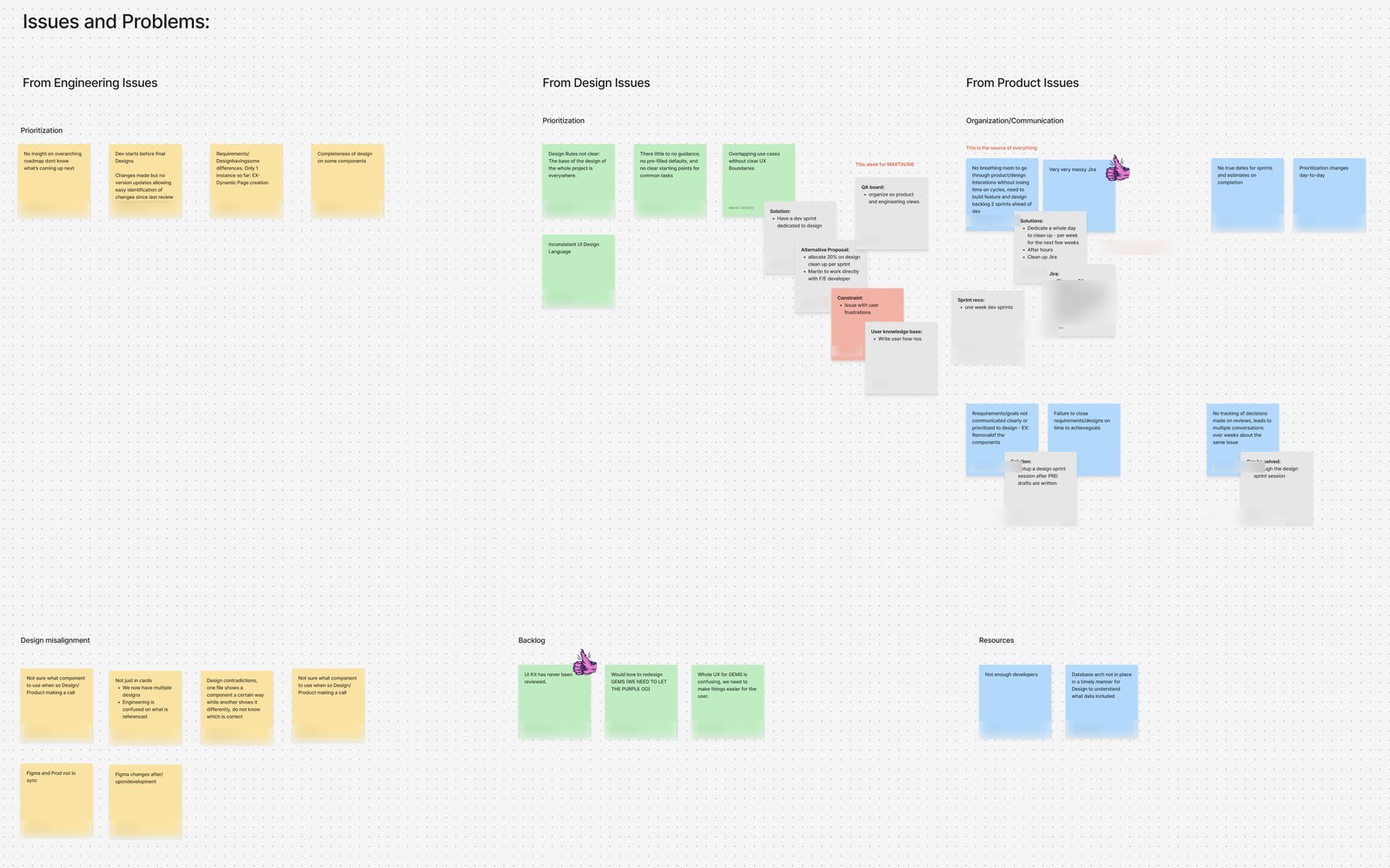
I also ran an issues-mapping session with engineering, product, and design, collecting every pain point onto one board: prioritization gaps, design misalignment, backlog debt, and resourcing. Grouping the notes by source made the pattern obvious: the three teams were describing the same underlying problem from different angles.

Cross-team issues and problems board

Artifact

The cross-team issues board: engineering, design, and product pain points mapped, clustered, and turned into weekly action items.

Three patterns kept repeating across modules. Each screen mixed too many jobs. Components behaved differently in different places. And status, the single thing staff check most, was never presented the same way twice. That board became the priority list for the whole redesign.

Mixed jobs per screen

Screens combined monitoring, configuration, and action-taking, forcing staff to parse everything to do anything.

Inconsistent components

The same concept looked and behaved differently across modules, so learning one module didn't transfer to the next.

No status language

Request states had no shared visual system, and staff compensated with calls and paper.

Data-shaped tables

Lists mirrored the database instead of operational urgency, hiding what needed action now.

Goals

Every design goal paired a user need with a business outcome.

User goal

Act on guest requests fast, with status visible at a glance

Business goal

Reduce time-to-resolution and eliminate off-platform workarounds

User goal

Trust that what's on screen reflects reality right now

Business goal

Grow daily active usage of the platform hotels already pay for

User goal

Automate repetitive tasks without fear of losing control

Business goal

Recover staff hours through workflow automation

Design process

System first, then module by module.

I started with the design system: tokens, input states, table patterns, status chips, and modal flows. Getting the shared language right first meant every module redesign after it got faster and more consistent. Then I worked through the modules in order of operational impact, from messaging and workflows to reservations, content, departments, and integrations.

GEMS design system components: dashboards, navigation, cards, and chart patterns

Artifact

The component system underneath all eight modules: navigation, stat cards, tables, and chart patterns sharing one visual language.

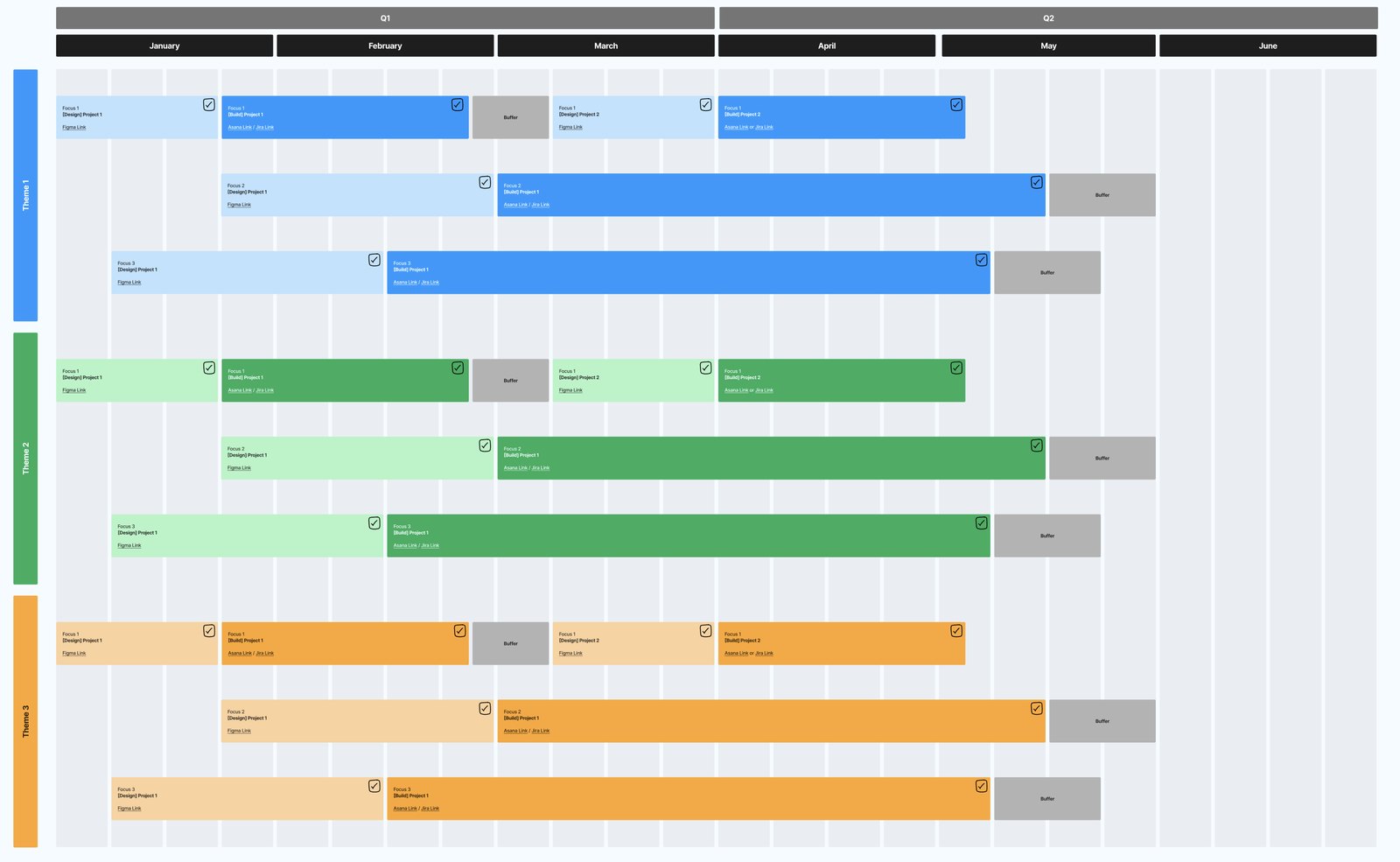
To keep eight modules moving without chaos, I planned the work as quarterly themes, each focus area running a design phase into a build phase with explicit buffers, and every block linked to its Figma file and Asana/Jira tickets. That roadmap kept design ahead of engineering instead of blocking it.

Two-quarter design and build roadmap with themes and buffers

Artifact

The two-quarter roadmap: each focus moves from design (light) to build (solid), with buffers so reviews never stalled the next block.

For each module the loop was the same: wireframe against the audit findings, review with Intelity's product team, iterate, then document the handoff with states and edge cases spelled out. Messaging shows the journey well, from the first structured inbox concepts to the unified hub in the solution above.
Messaging inbox, early iteration

Iteration 1

The inbox as a plain table: statuses exist, but conversations still live one click away.

Messaging inbox with conversation panel, early iteration

Iteration 2

The conversation panel moves in-context, so staff reply without losing the queue.

Smart Dining shows the approach best: same data, restructured around what staff need first.

Smart Dining before redesign

Before

Every concept on one screen, no hierarchy, status hidden inside rows.

Smart Dining after redesign

After

Orders grouped by state, glanceable status chips, and one clear next action.

The call

We had two directions for the Nexus AI builder: a visual card-based flow editor, or a structured rule-table with conditions in rows. The card editor tested better in demos, but the table mapped directly to how hotel managers already think about SOPs. I built the table, and kept the card view as a secondary "review" layer on top of it. Demos reward novelty; daily use rewards familiarity.

Outcome

Staff came back to the platform.

After the redesign rolled out, daily active usage rose 34%, and workflow automation recovered around 46 FTE hours per week that staff had been spending on manual coordination. Eight modules now ship from a single design system, which also cut design and build time for everything that came after.

GEMS 2.0 dashboard on laptops

34%

Daily active usage after rollout

46h

Weekly FTE hours recovered via automation

8

Modules shipped on one design system

Reflection

My key takeaways and learnings

Go where the work happens

I'd push for a hotel floor observation session in week one. Seeing the physical environment (the pace, the noise, the hand-offs) would have sharpened every decision about information density far earlier than reading spec documents did.

Match the user's mental model

The flashier option isn't always the right one. The rule-table won because it matched how managers already think about SOPs.

How I'd use AI on this today

Generate state variants faster

Eight modules meant hundreds of screens across states. I built them manually in Figma. Today I'd generate variant sets from a state matrix and spend the saved time on hierarchy and edge cases.

Pressure-test with real data

I'd run long hotel names, overbooked dates, and worst-case queue volumes through every layout before handoff, instead of discovering the breaks in staging.

Curious to know more?

This is a small part of the process. GEMS 2.0 is live in hotels today: see the platform at intelity.com, or ask me for the full story.

Also check out